The old trope that Texans ski in blue jeans illustrates a long-standing animus of Coloradans towards the Lone Star State. A new $250 million federal grant may tie the states together in a way that may prove beneficial to local small businesses, though it may not soothe the feelings of native skiers who feel like their precious slopes are being overrun by Texans.
As a small business owner, large infrastructure projects may not be on your radar, but the $250 million federal grant coming to our regional power grid could potentially lower your utility costs and reduce your downtime risk.
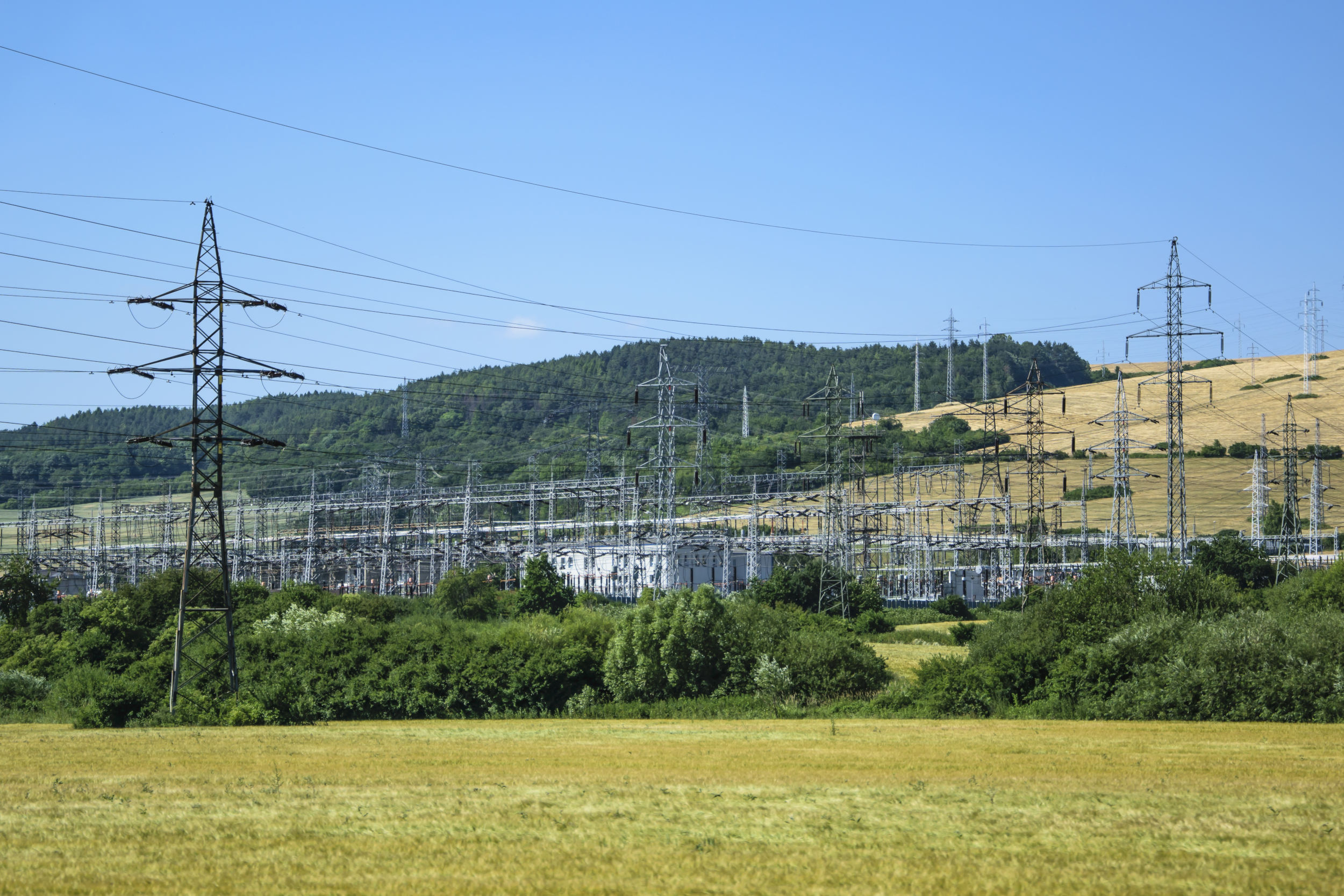
The money is funding a massive upgrade called the CO2TX Initiative. The project plugs Xcel Energy’s new Colorado Power Pathway, a massive transmission loop being built on the eastern plains, directly into the multi-state Southwest Power Pool grid.
So what does this mean for you?
Minimizing Downtime
When the power goes out, major corporations have industrial backup generators that rumble to life and business continues as usual. For independent retailers, restaurant owners, or professional firms, a blackout means lost revenue. Credit card terminals go down, labor costs continue while staff sits idle, and the day’s sales disappear.
This project modernizes Lamar Tie, an aging electrical bridge between the separate Eastern and Western power grids. It’s currently a critical bottleneck, and the upgrades will triple its capacity from 210 megawatts to 700 megawatts, with the structural capacity to scale up to 2,000 megawatts.
If a severe winter freeze or punishing summer heatwave—which we’ve seen recently—pushes Front Range power plants to their limits, the grid will be able to pull in emergency power from the east. Your lights stay on and your doors stay open when the regional weather gets tough.

Predictable Overhead
Managing a small business is a game of small margins and sudden spikes in overhead can be the difference between finishing a month in the red or the black. Budgeting requires predictability, which is in short supply as a business owner, and CO2TX could help.
Colorado’s eastern plains generate an incredible amount of wind and solar power, but the wind doesn’t only blow when demand is high. On breezy afternoons, our regional grid may generate more clean energy than Front Range businesses can use at that moment. Historically, utilities have had to shut down production to prevent overloading the system, literally wasting free energy.
With the modernization of the interstate connection, utilities can sell that excess electricity to “pardner” states instead of throwing it away. Because Colorado’s utility market is tightly regulated, the wholesale revenues from those out-of-state sales are credited back into the system. This active cost offset creates a buffer that helps stabilize commercial electricity rates and shields your business from volatile energy price spikes.
And That’s the Bottom Line
This Texas-Colorado do-si-do may not just be another political stunt. It’s a multi-state upgrade that removes regional grid bottlenecks with benefits that could directly impact Northern Colorado’s small business community. It may also help the create grid capacity needed for future data-center development, which could be considerably less popular with some Coloradans.
So while we may bemoan jean-clad cowboys shaving down our moguls, the partnership between the Lone Star and Centennial states may well provide a more robust and stable power supply.
Leave a Reply