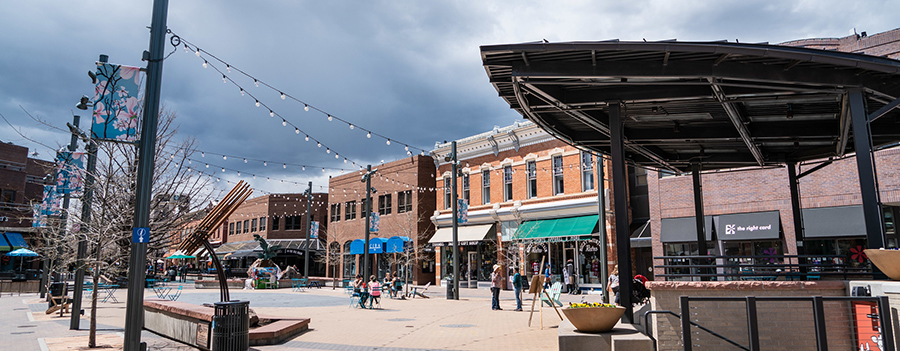
What it means for you
If you’re running a business in Fort Collins—or thinking about starting one—commercial real estate (CRE) is a piece of the puzzle you can’t ignore. Whether it’s leasing office space, finding a retail storefront, or securing a warehouse for logistics, current CRE trends impact your costs and opportunities. Here’s a quick read on where things stand in mid‑2025, and what it means for small and medium‑sized business owners in Northern Colorado.
Office Space: Holding Steady
Fort Collins’ office market remains healthier than most U.S. cities. Local vacancy rates hover around 6–7%, compared to nearly 14% nationally. Asking rents average $25 per square foot, with only modest year‑over‑year increases. Sublease availability is up—roughly 170,000 sq ft—which means more flexible options for businesses not ready to commit to long‑term leases.
Takeaway for Owners: If you’re looking for office space, the local market is competitive but not overheated. Subleases could provide affordable, short‑term solutions while you scale. If you already have a lease, this stability is good news—it signals steady demand without runaway costs.
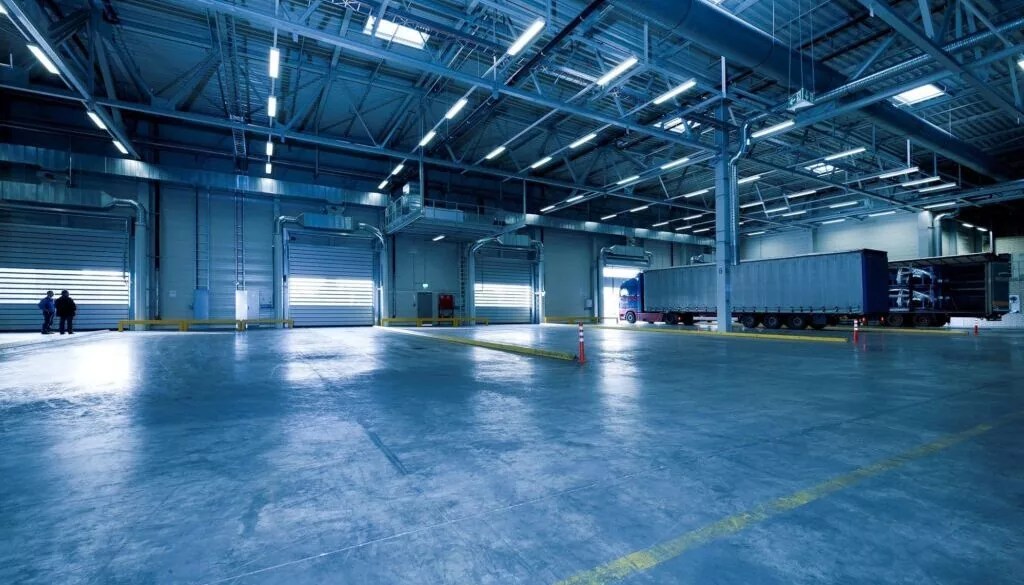
Industrial: Strong but Evolving
Northern Colorado’s industrial market remains resilient, but the balance has shifted slightly towards tenents. Vacancy has risen 16% year-over-year but seems to be stabilizing around 8.6%. This trend has given tenents more leverage which is reflected in asking rents holding steady at $13.86/SF. Construction has slowed since its 2022 peak, but there are signs of renewed development interest. With distribution and manufacturing still growing in the region, demand for well‑located space continues.
Takeaway for Owners: Businesses tied to logistics, production, or e‑commerce should keep an eye on this sector. Slightly higher vacancy means negotiating power is shifting toward tenants. Entrepreneurs considering warehousing or light manufacturing have more opportunities to enter at competitive rates.
Retail & Mixed‑Use: A Market in Transition
Retail vacancies ticked up this year, especially with federal agencies like the USDA and National Park Service vacating nearly 77,000 sq ft of Fort Collins office space. On the flip side, new projects—like a proposed five‑story mixed‑use building—signal investor confidence in denser, flexible development.
Takeaway for Owners: For retail and restaurant operators, location still matters most. Midtown and Old Town continue to attract foot traffic, but the mix of tenants is shifting. Entrepreneurs should look at newly available spaces as potential entry points at more favorable lease terms.
The Investor Lens: Why It Matters Locally
Large deals, like the $43M sale of two industrial buildings in Mead, show continued confidence in Northern Colorado’s long‑term growth. For local business owners, this matters because outside investment brings both opportunity and competition. A strong market attracts developers who may reshape corridors like Harmony Road or Midtown with new concepts.
Final Thoughts
For Fort Collins business owners, the message is clear: this is a market of opportunities—if you know where to look.
- Entrepreneurs: Explore subleases or recently vacated retail spots for affordable entry points.
- Growing Businesses: Consider negotiating lease terms now, while vacancies give tenants some leverage.
- Property Owners: Think creatively about adaptive reuse—federal tenants moving out leaves prime opportunities for local businesses to move in.
In short, commercial real estate in Fort Collins is stable, with room for smart moves. Whether you’re planting your first roots or expanding your footprint, the current trends favor flexibility, creativity, and strategic timing.
 Fort Collins Business Digest
Leave a comment